
















Landscape-integrated design: how to build without breaking the balance
11.05.2026
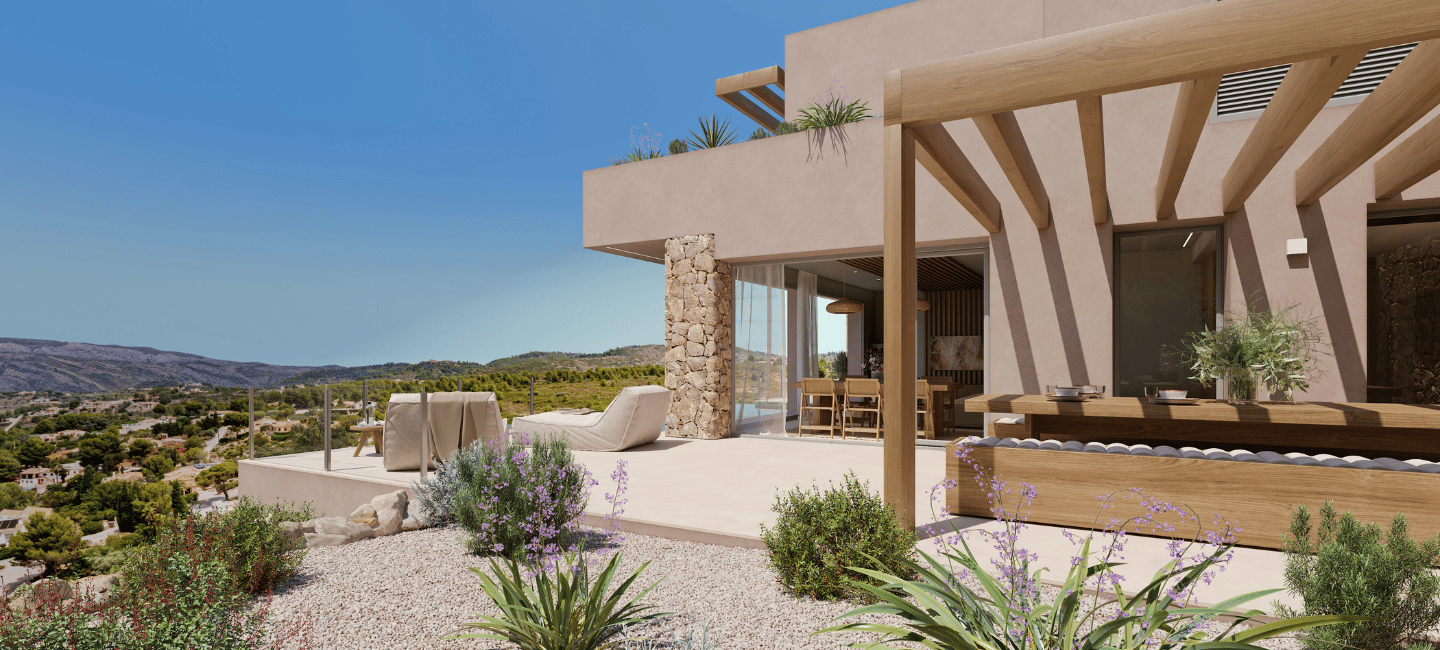
Talking about architecture today means talking about responsibility. About how to intervene in an environment without imposing on it, without erasing what already exists. Landscape-integrated design starts from a simple yet powerful idea: a home is not an isolated object, but a natural extension of the place where it stands.
In this approach, every decision matters. From the positioning of the house on the plot to the materials, tones and the way it relates to the terrain. The goal is not only to reduce visual and environmental impact, but to create a respectful and lasting coexistence with the surroundings.
Less impact, more landscape
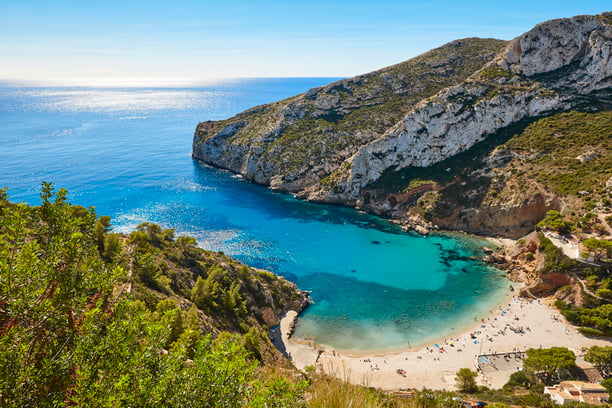
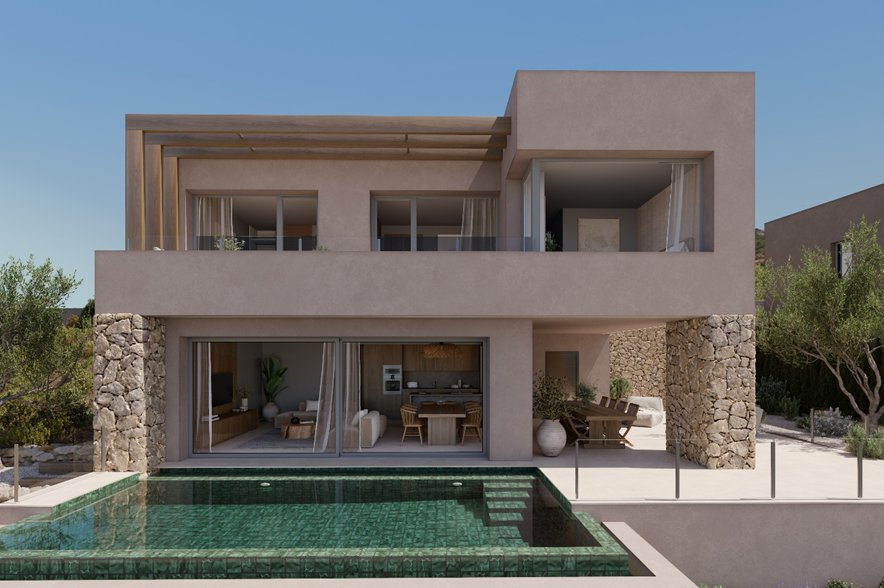
Minimising the negative effects of intervention begins with listening to the land. Adapting to its topography, respecting its slopes and preserving its original structure whenever possible. Terraced gardens, permeable green areas and the use of native species help maintain the identity of the landscape while reducing resource consumption.
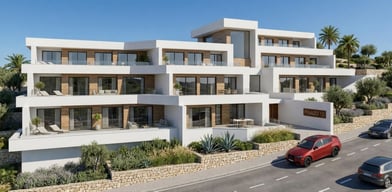
It is also essential to embrace architecture that dialogues with its context: well-proportioned volumes, earth-toned façades, green roofs and construction elements that age gracefully over time. When architecture integrates, the landscape is not fragmented; it continues.
Airen Collection: architecture born from its surroundings
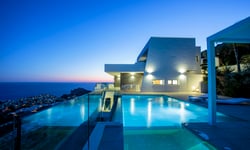
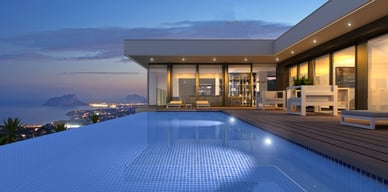
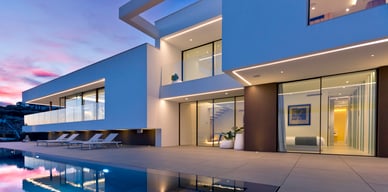
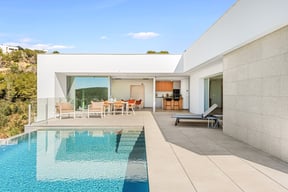
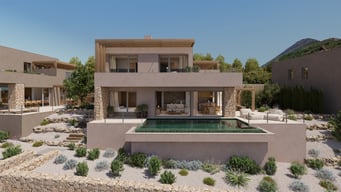
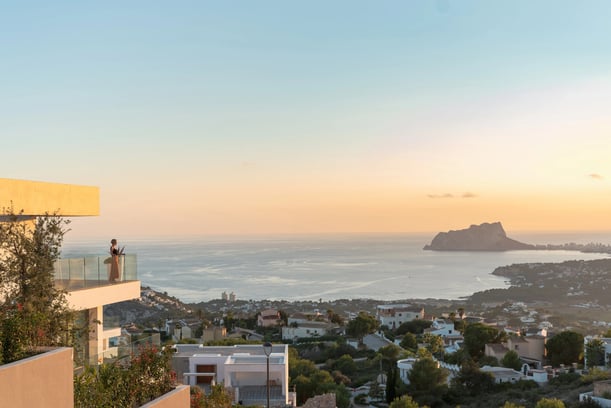
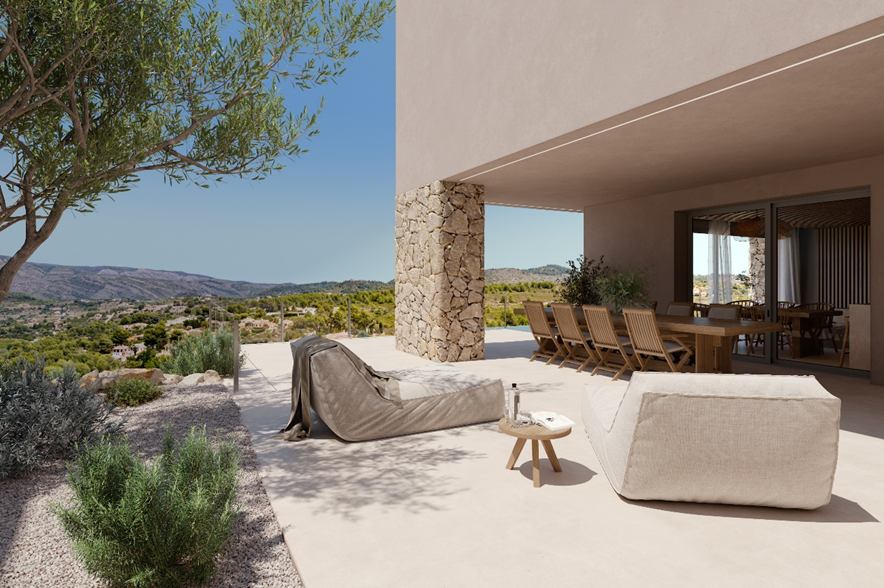
Airen Collection, in Elements EcoResidences (Llíber), is a clear example of this way of understanding design. The villas were conceived from the outset with a strong landscape integration criterion, aiming not only to minimise impact but to add value to the place.
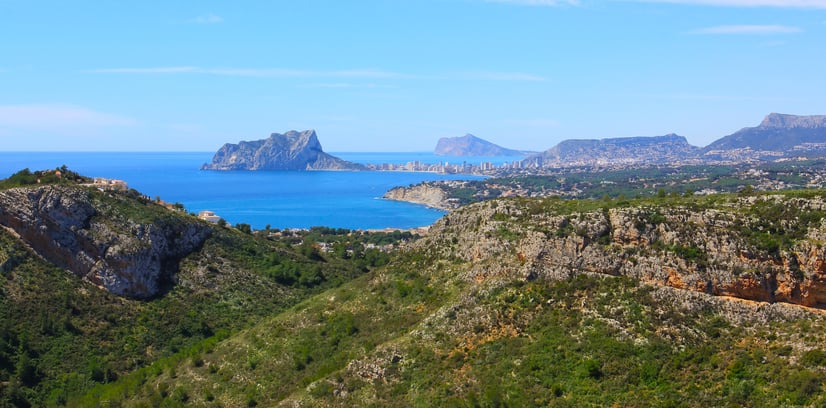
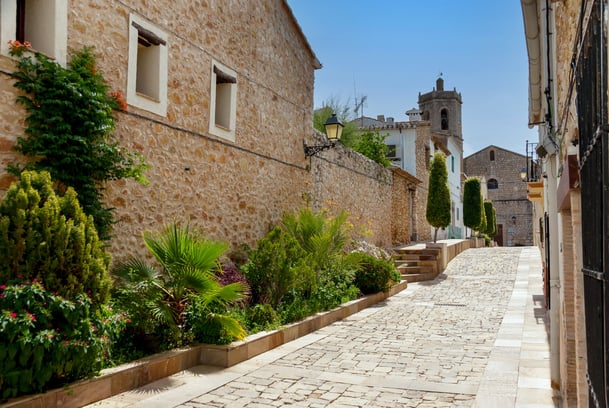
The choice of colours and materials connects directly with the agricultural tradition of the Vall del Pop. Façades in natural tones, dry-stone walls, landscaped roofs and gardens with native vegetation allow the homes to blend seamlessly into the surrounding Mediterranean landscape.
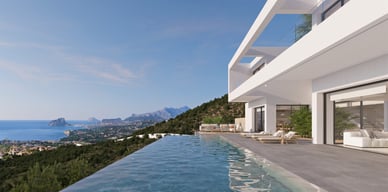
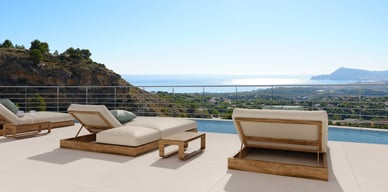
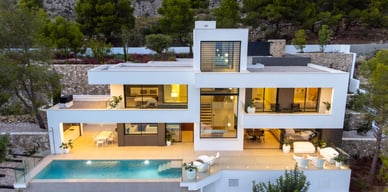
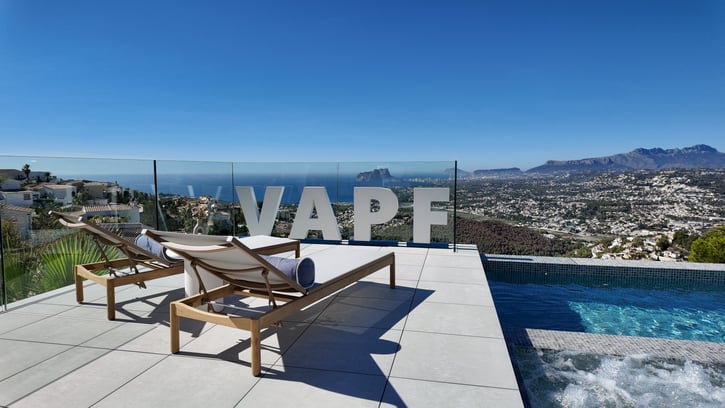
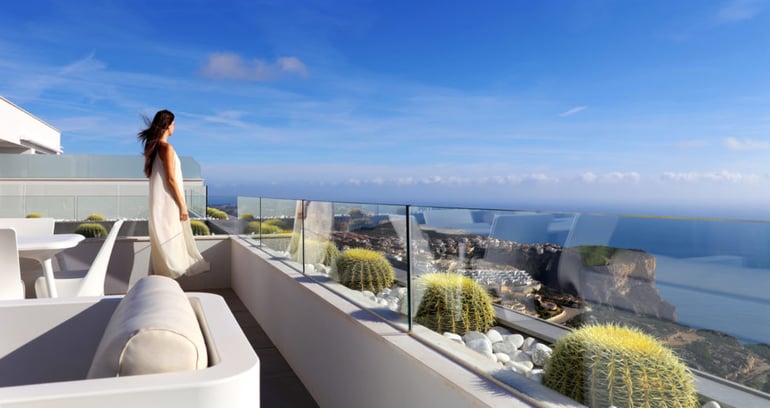
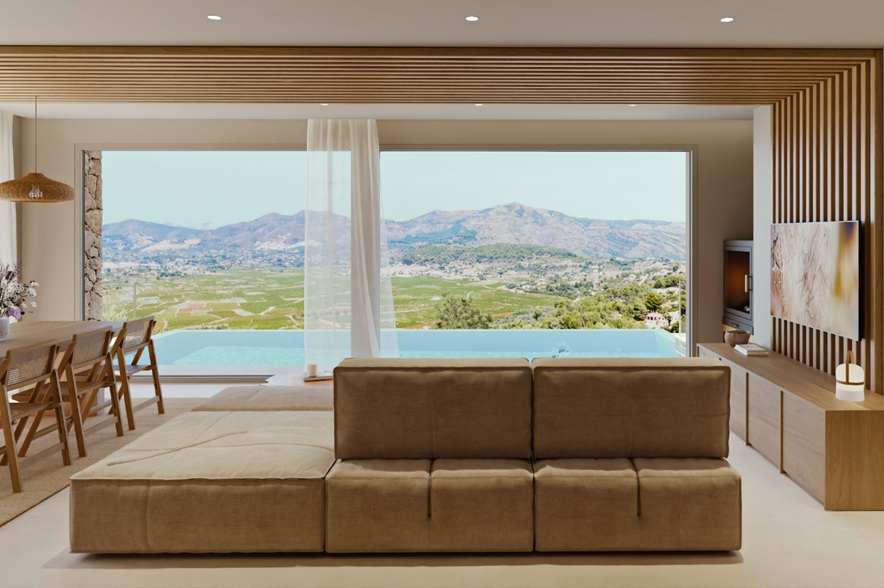
In addition, the fluid relationship between interior and exterior, through terraces and large windows, reinforces the feeling of living within the environment rather than in front of it.
Building with the long term in mind
Landscape-integrated design reflects an understanding of architecture with a vocation for permanence. It is a more conscious, more sustainable way of building and, above all, more coherent with the way we want to live today.
Projects such as Airen Collection show that it is possible to create contemporary, comfortable and efficient homes without renouncing respect for the territory. Because when architecture understands the place, the result is a home that feels part of the landscape from day one.
Next article
Cumbre del Sol embraces electric mobility
Getting around more sustainably also means having the infrastructure in place to make everyday life easier. At Cumbre del Sol, electric mobility is taking centre stage with a network of strategically located charging points, allowing residents and visitors to charge their vehicles with complete convenience.