












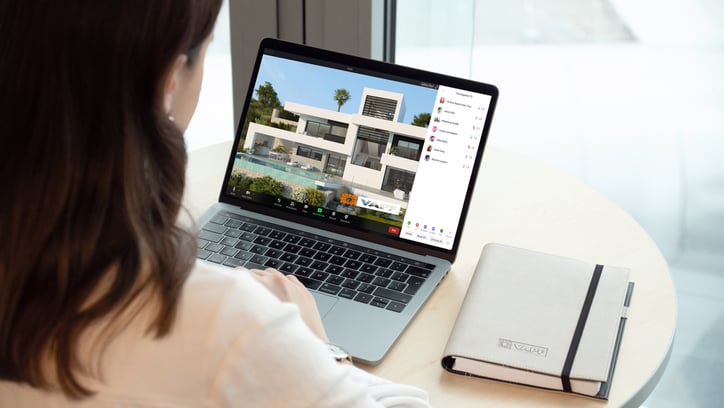
Flexible spaces: how a home adapts to different stages of life
27.01.2026
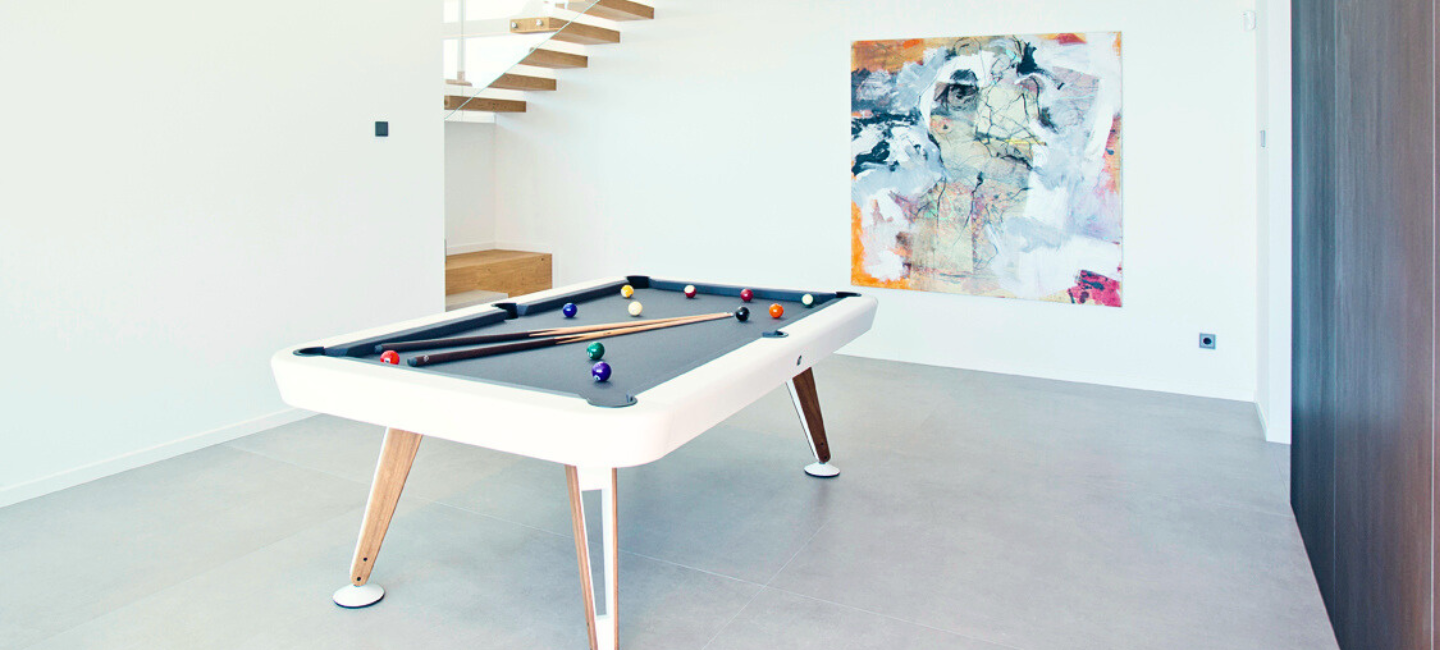
A home is not lived in the same way forever. Routines, priorities and the way we use spaces evolve. That is why a well-designed house is one that can change over time, accompanying different life stages without losing comfort or coherence.
In a context where long-term value is increasingly important, flexible spaces have become one of the key indicators of residential quality.
Thinking about the present without limiting the future
When choosing a home, it is common to focus on current needs: how we live today, how many people will live in the house or what each room will be used for. However, a well-planned home also considers future changes, without requiring complex renovations or irreversible decisions.
A flexible home allows you to:
• Easily reorganise uses.
• Adapt to new family or personal routines.
• Maintain its functionality over time.
The key lies in designing spaces that allow for different interpretations, without imposing a single way of living.
Open layouts that make change easier
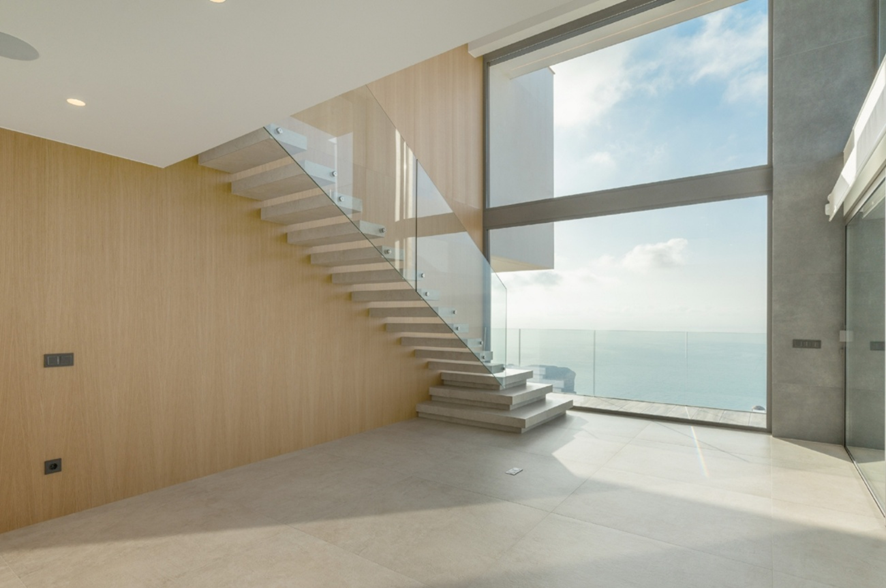
Well-proportioned open layouts enhance this capacity for adaptation. Spacious, well-connected areas with plenty of natural light allow for different configurations depending on life stage.
A living room can incorporate a work area without losing its social character. A terrace can become a true extension of the interior at certain times of the year. An open-plan ground floor can be transformed into a leisure, guest or relaxation space depending on needs.
When architecture is well resolved, change flows naturally.
Rooms that evolve with the people who live in them
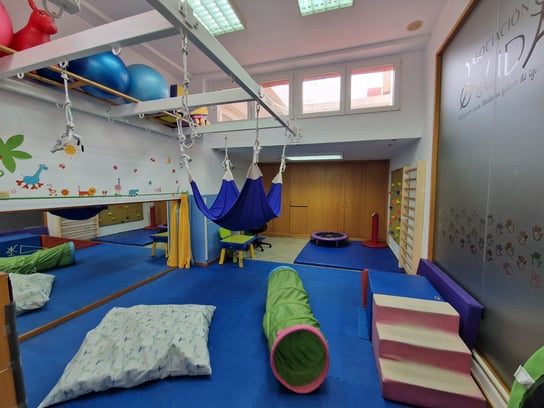
Some rooms change function over time. A child’s bedroom can become a home office, reading room or guest bedroom. A space designed for leisure may take on a calmer use at another stage of life.
Homes that allow this evolution often share certain features:
• Balanced proportions that are easy to reconfigure.
• Sufficient natural light, regardless of use.
• Installations designed for different scenarios.
• Clear separation between private and communal areas.
All of this helps ensure the home remains comfortable and practical over the years.
Long-term comfort and accessibility
Flexibility is also linked to everyday comfort. Homes with main living areas on a single level, wide circulation spaces and practical solutions make daily life easier at any stage of life.
It is not about anticipating specific needs, but about choosing architecture that works well today and continues to do so in the future.
Outdoor spaces that expand possibilities
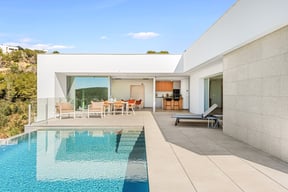
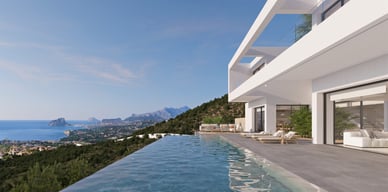
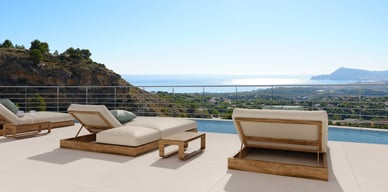
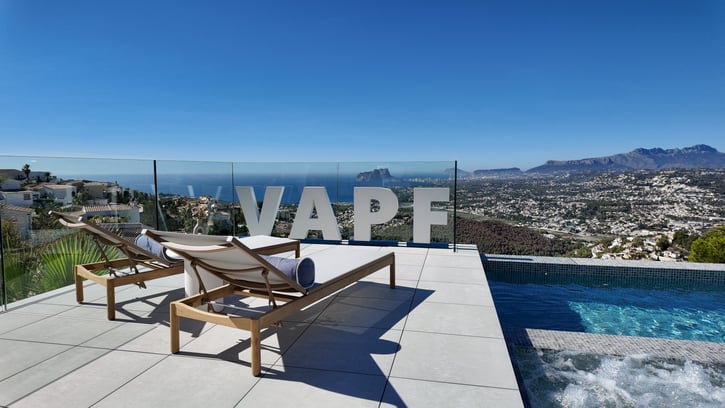
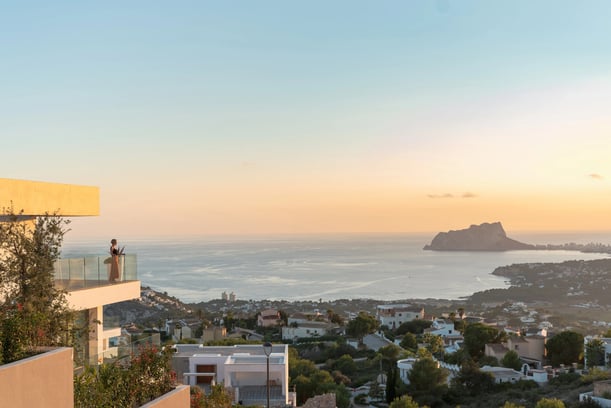
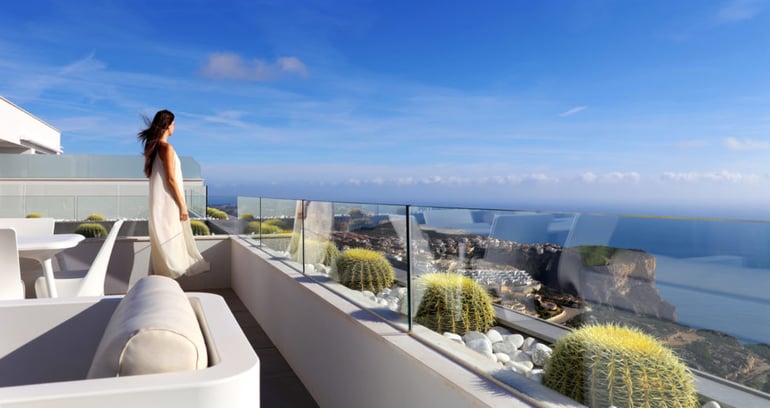
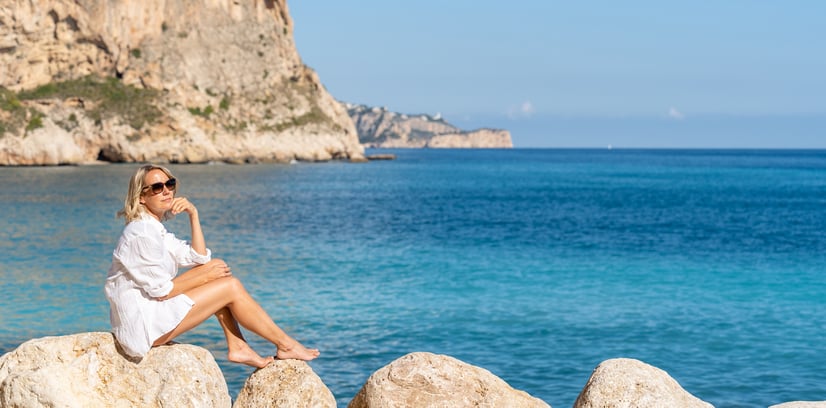
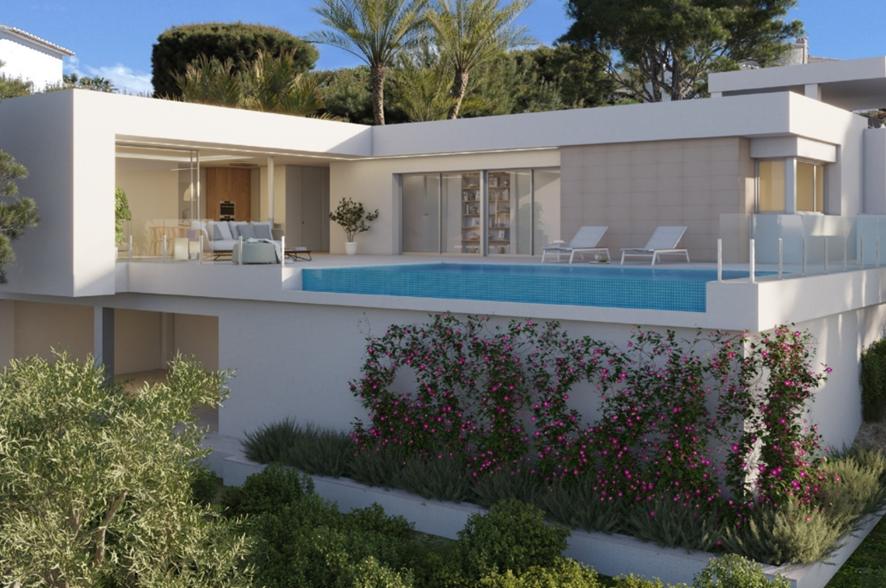
In the Mediterranean, outdoor spaces play a fundamental role. Terraces, porches and gardens extend the way a home is lived in and allow uses to adapt to the season or stage of life.
A well-integrated outdoor area can be a play space at one stage, a social area at another, or a place of calm over time. This versatility adds value and enhances the living experience.
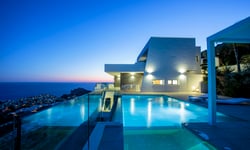
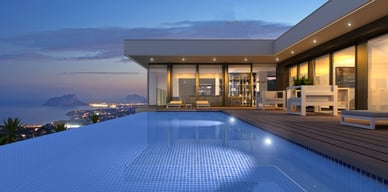
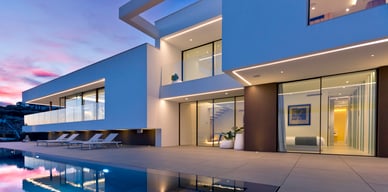
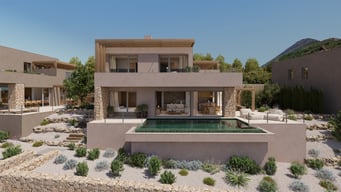
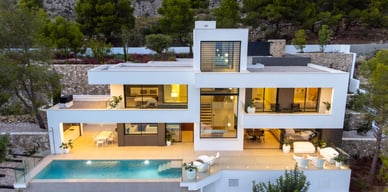
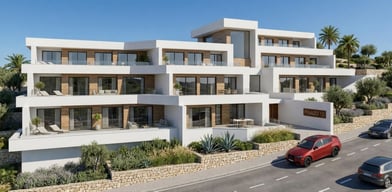
And when that flexibility is combined with good architecture, orientation and well-integrated outdoor spaces, the home gains room to evolve without losing comfort. In this sense, Magnolias Design (Cumbre del Sol) is a good example of villas designed to be enjoyed at different stages of life, with layouts and spaces that support life’s evolution. More information here: https://www.vapf.com/en/villas-for-sale/magnolias-design-benitatxell
A decision that is also an investment
Thinking about flexible spaces is also a strategic decision. A home that can adapt to different profiles and uses retains its appeal and value over the long term.
That is why more and more buyers are looking for homes that accompany an evolving lifestyle, rather than being anchored to a single way of living.
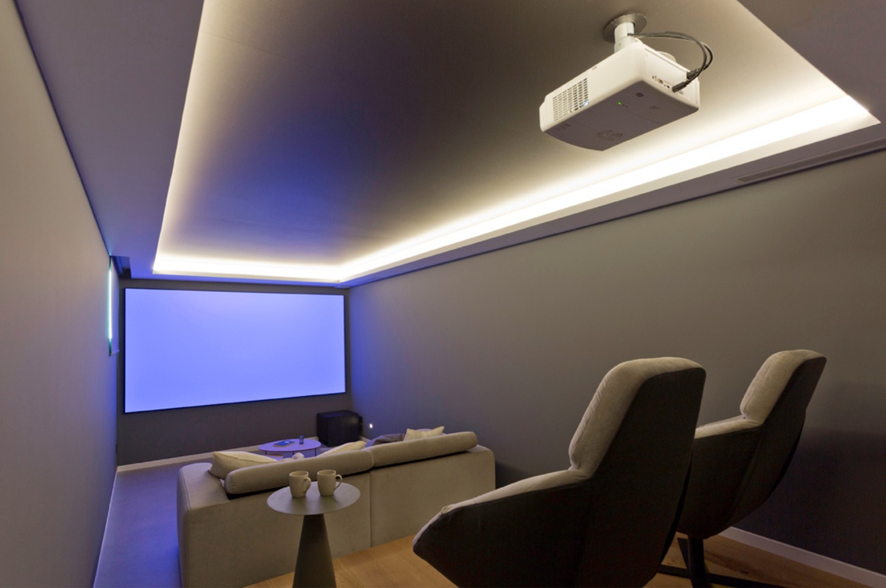
Living with room to change
A flexible home does not impose a way of living; it offers options. It allows you to reorganise, adjust rhythms and continue feeling at home at every stage.
Because a good home is not designed for a single moment in life, but to accompany the changes that are part of living.
Next article
Quiet luxury: when less is more
Luxury has changed. It is no longer measured by what is shown, but by what is felt. More calm, a deeper connection with the surroundings and greater wellbeing. Invisible luxury, also known as quiet luxury, defines a new way of living, where architecture, landscape and time align to create an authentic life experience. Airen Collection is a clear expression of this new kind of luxury: discreet, conscious and deeply connected to nature.