














Eco-residential living: better today and tomorrow
24.02.2026
In recent years, the eco-residential concept has evolved from a trend into a real necessity. But what exactly does living in an eco-residential environment mean? Is it just about energy efficiency, or are we talking about something much deeper?
An eco-residential project is not simply a collection of sustainable homes. It is a way of understanding urban planning, architecture and community life based on respect for the environment, landscape integration and people’s well-being. It is a model in which sustainability is not an add-on, but the starting point.
Short-term benefits: well-being from day one
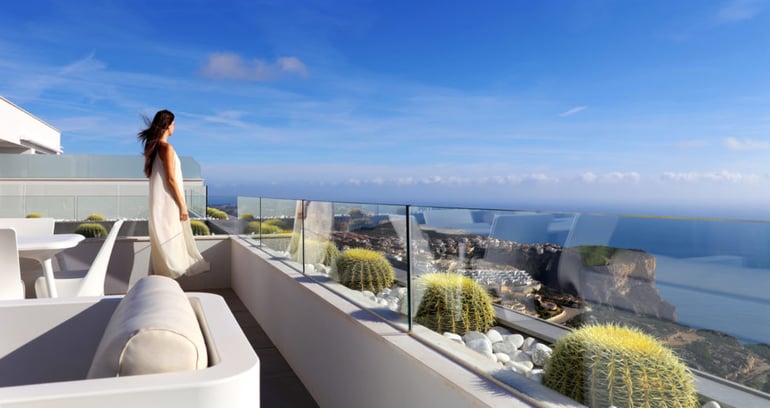
Living in an eco-residential environment means experiencing immediate benefits. The first is the natural surroundings. Landscape integration, the use of native vegetation and a commitment to xeriscaping allow residents to enjoy green areas aligned with the Mediterranean climate and designed for responsible maintenance.
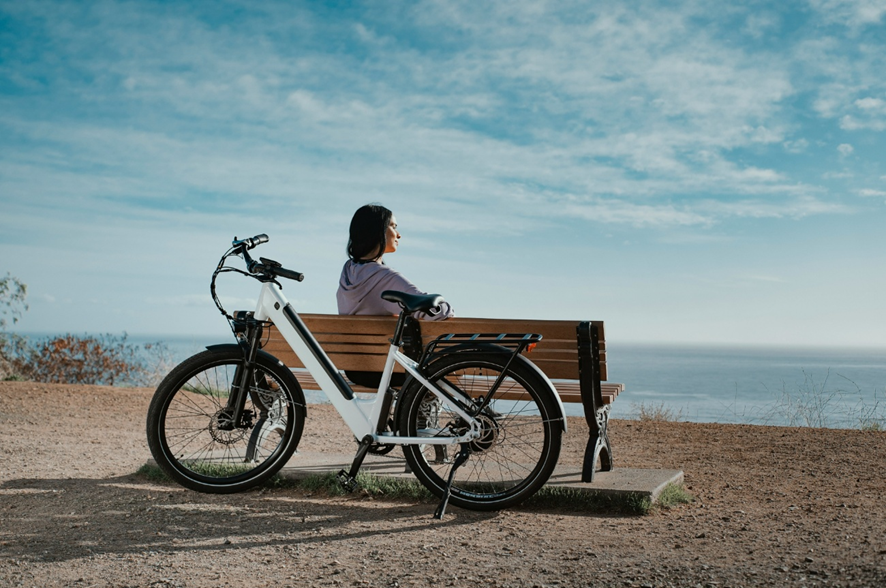
Reducing light pollution through wall-integrated lighting, providing community recycling points and prioritising sustainable mobility, including electric cars and e-bikes, directly improves everyday life.
This is complemented by infrastructure designed to promote a healthy lifestyle: outdoor sports areas, trekking paths, yoga spaces, a gym, indoor pool, sauna and social gathering areas. It is no longer just about having facilities, but about making movement, health and social connection part of daily life.
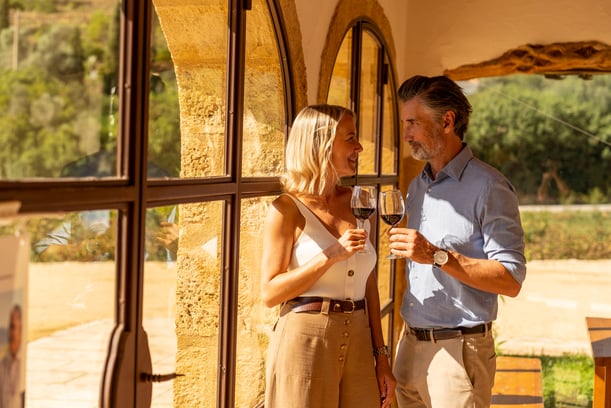
The result is immediate: less stress, more time outdoors, greater balance and a genuine sense of well-being.
Long-term benefits: sustainability as an investment in the future
In the long term, the value of an eco-residential development multiplies. Energy efficiency and design focused on minimising emissions reduce environmental impact while reinforcing property value in a context where sustainability will become increasingly decisive.
But there is something even more important: community building. Modern eco-residential projects understand that well-being does not depend solely on the individual home, but on the social ecosystem surrounding it. Social clubs, community gardens, cultural activities and digital tools that connect residents strengthen bonds and create a sense of belonging.
Furthermore, the recovery of local traditions, respect for native resources and integration with the territory transform the residential complex into more than just a place to live: they turn it into a shared project.
When sustainability is the core of the project
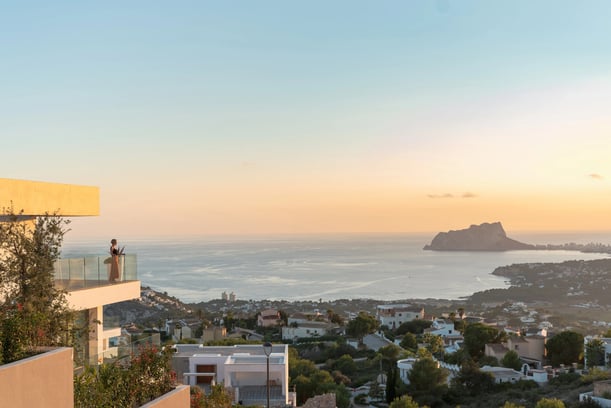
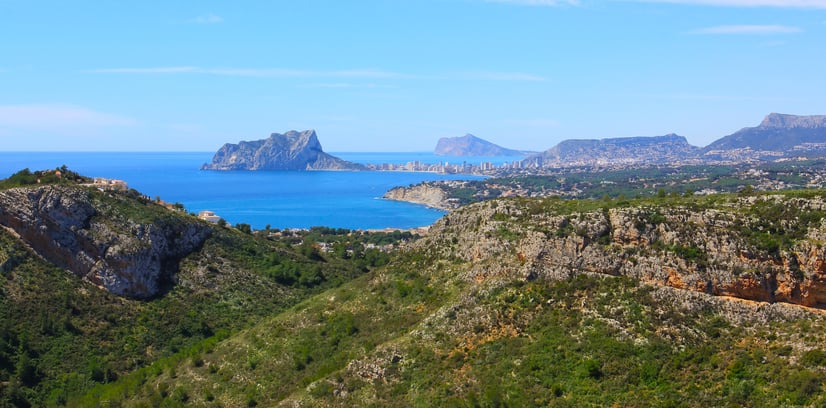
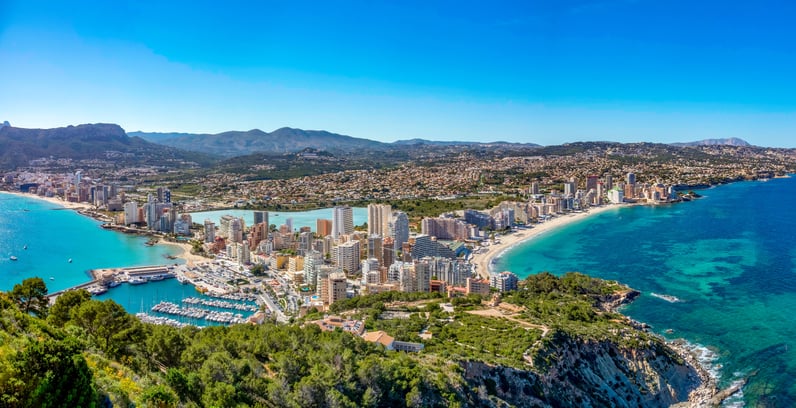
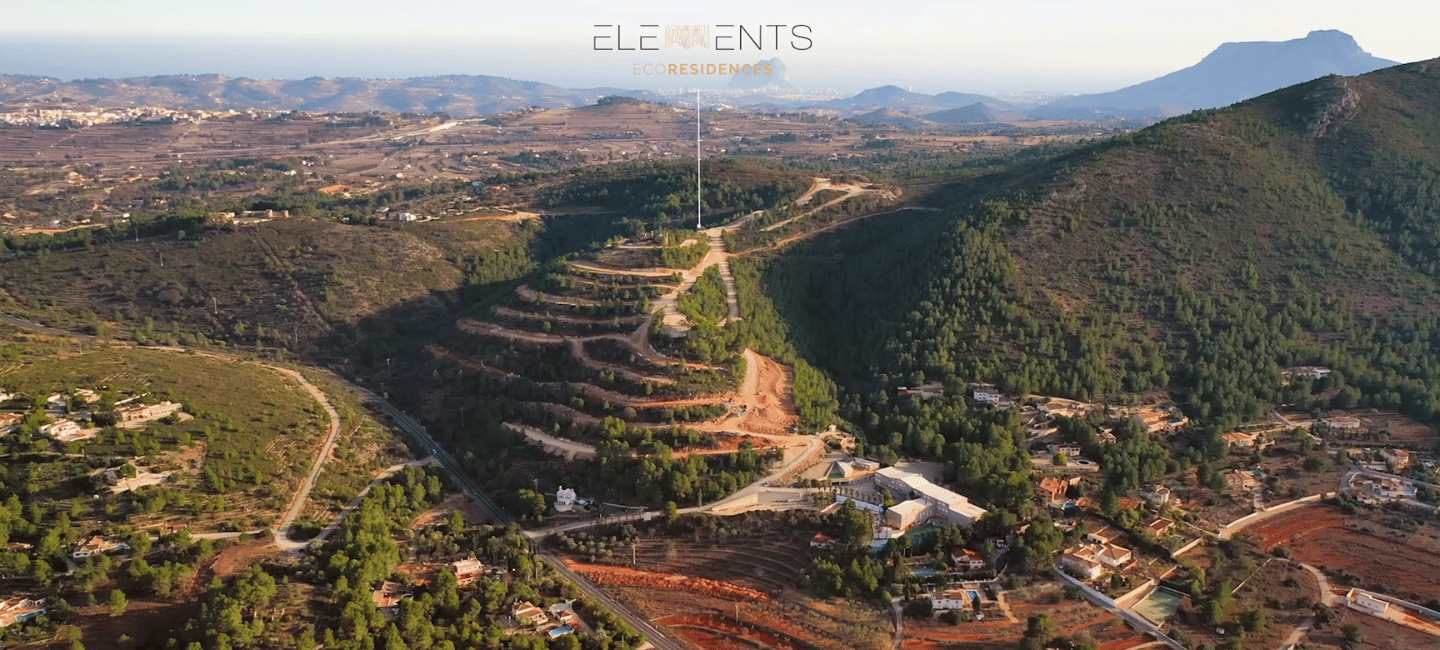
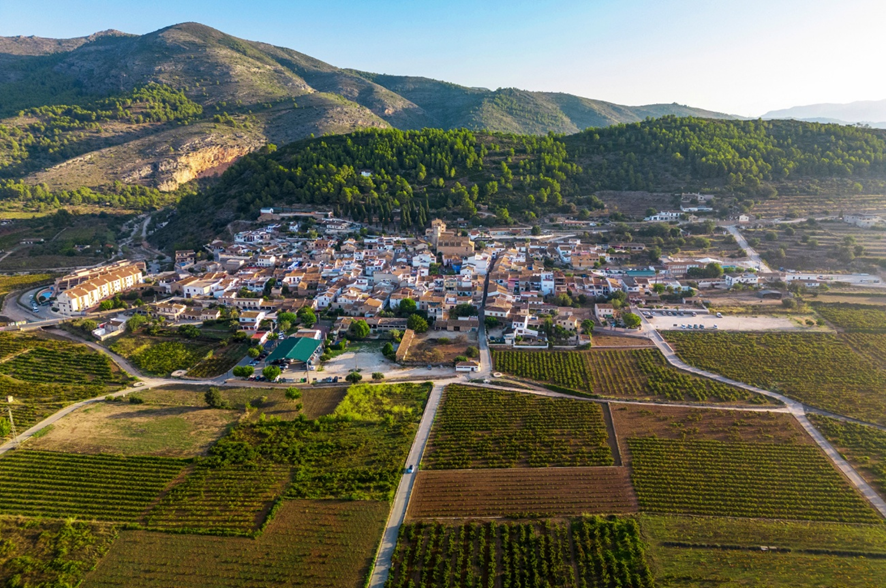
In the Vall de Pop, on the Costa Blanca North, we find an example of a development where the eco-residential concept is not a slogan, but the project’s leitmotif.
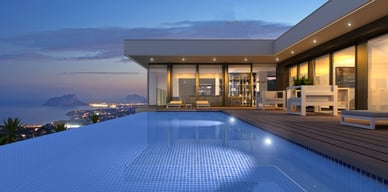
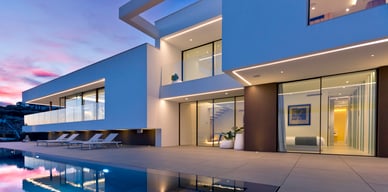
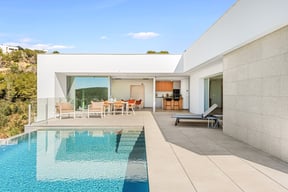
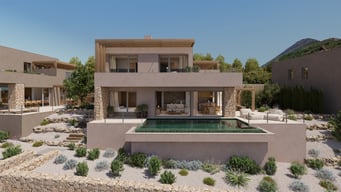
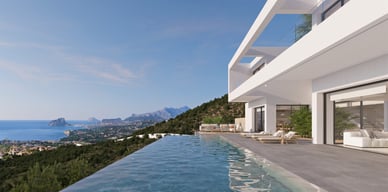
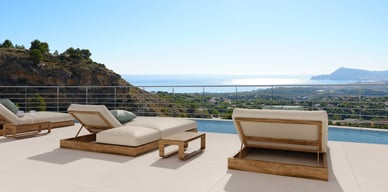
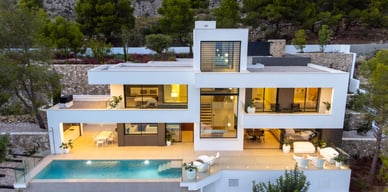
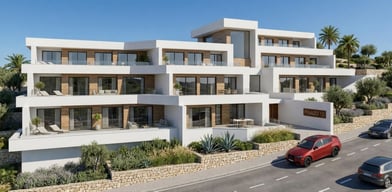
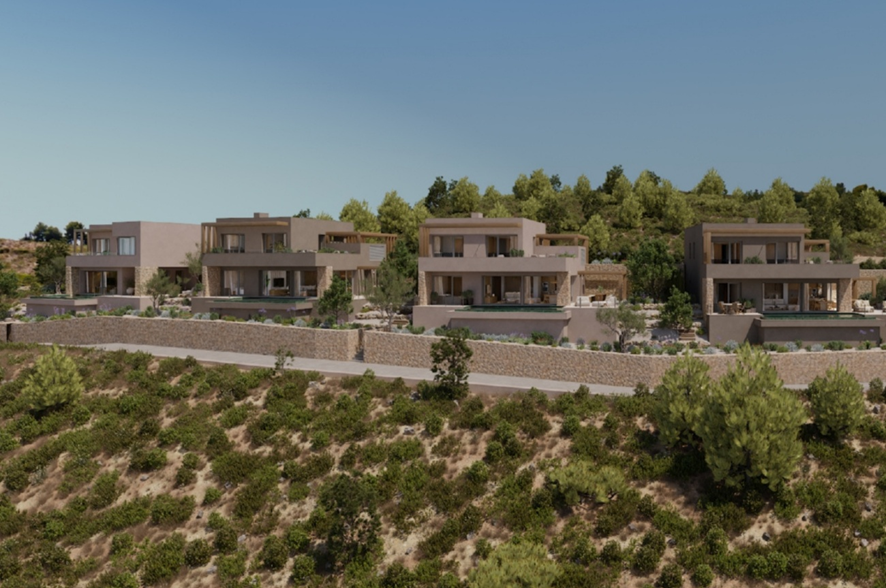
This is Elements EcoResidences. Here, urban planning prioritises landscape integration, the creation of extensive green areas such as “Espai Olea”, an eco-garden, a social club, and infrastructure designed for active living. All of this in a setting that combines nature, Mediterranean tradition and proximity to the sea.
This approach proves that an eco-residential project is not just an efficient home, but a guarantee of quality of life in the broadest sense: physical, emotional, social and environmental.
A decision that goes beyond housing
Choosing to live in an eco-residential environment means committing to a model that balances contemporary design, sustainability and community. It means deciding that the place we live should provide health, connection and future.
Because true sustainability is not measured solely in reduced emissions, but in an environment’s ability to improve our lives today, and twenty years from now.
Next article
How energy efficiency influences the future value of your home
Energy efficiency has become one of the key factors shaping a home’s future value. Beyond design or location, an efficient property means lower energy consumption, greater comfort and a stronger position in the market. Today, investing in efficiency isn’t just a sustainable choice — it’s a smart way to protect and increase the value of your assets.